Fine Silver vs Sterling Silver: Know the Difference
When it comes to buying silver jewellery, the terms fine silver, sterling silver, and 925 silver can feel confusing. Many customers are unsure about purity levels, durability, shine, and how each type of silver performs in daily use.
Understanding the difference helps you make better purchase decisions, whether you’re buying jewellery for yourself or selecting gifts for others.
This guide explains everything you need to know about fine silver vs sterling silver in simple, clear language. By the end, you’ll know which one is best for your lifestyle, your skin, and your long-term value.
What Is Fine Silver?
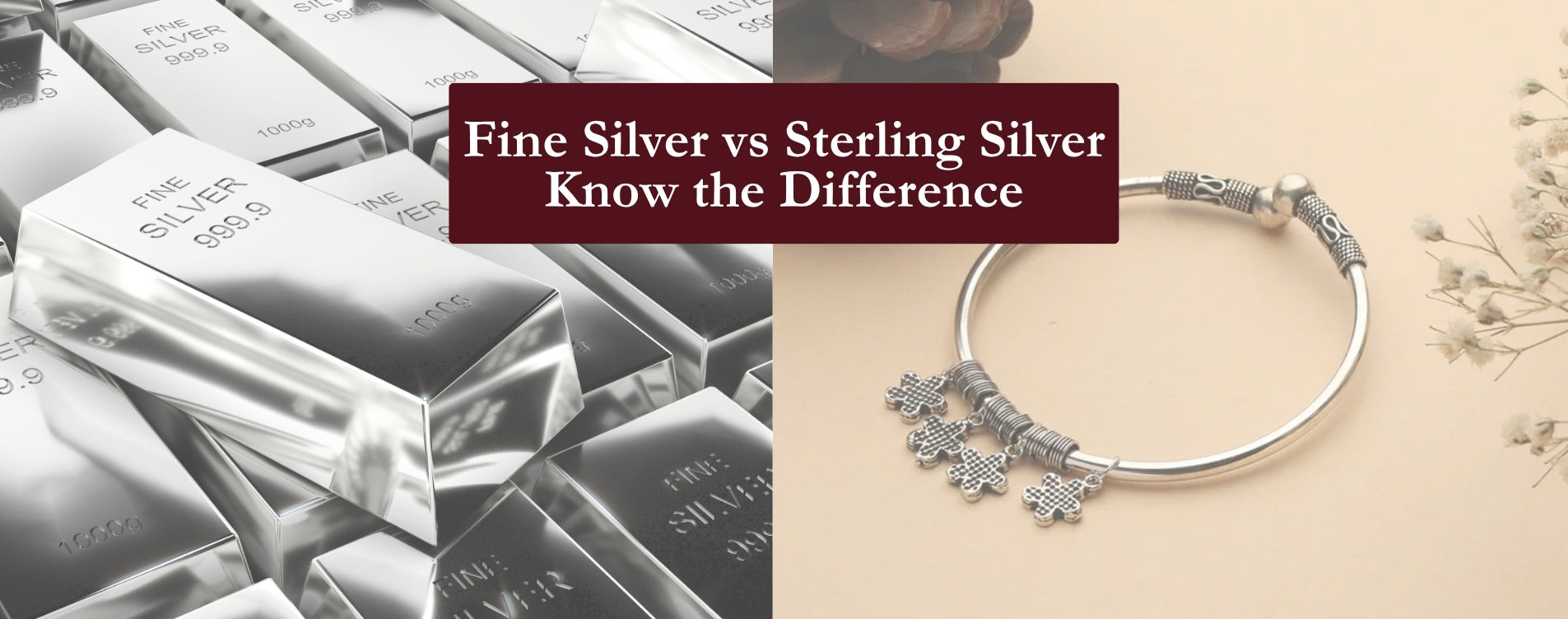
Fine silver, also known as 999 silver, contains 99.9% pure silver. It is the closest form to natural silver found after refining. Fine silver has a bright, white, and clean shine that looks elegant and pure.
Key Features of Fine Silver
Purity: 99.9%
Composition: Almost fully silver with minimal impurities
Look: Soft, smooth, naturally white shine
Weight: Slightly softer and heavier than sterling silver
Fine silver is mostly used for coins, bars, collectibles, yantras, and some high-end jewellery pieces. Because of its softness, it is not ideal for jewellery that needs to withstand daily wear.
Pros of Fine Silver
Highest purity
Hypoallergenic and safe for sensitive skin
Naturally resistant to tarnish
Ideal for spiritual, gifting, and investment purposes
Cons of Fine Silver
Softer and more prone to bending
Not suitable for heavy, everyday jewellery
More expensive due to higher purity
What Is Sterling Silver?
Sterling silver, also known as 925 silver, contains 92.5% silver and 7.5% alloy metals. Copper is the most commonly added alloy because it strengthens the metal without reducing its shine.
This combination creates a strong, durable form of silver that is perfect for daily jewellery.
Key Features of Sterling Silver
Purity: 92.5% silver
Composition: 92.5% silver + 7.5% alloy metals
Look: Bright shine similar to pure silver
Durability: Stronger and more long-lasting than fine silver
Because of its strength, sterling silver is widely used in rings, chains, bracelets, pendants, earrings, and luxury gift items.
Pros of Sterling Silver
Strong and durable
Perfect for daily wear
More affordable than pure silver
Popular for jewellery and fashion accessories
Cons of Sterling Silver
Can tarnish over time (but easy to clean)
Contains alloy metals, which may not suit extremely sensitive skin
Slightly less pure than fine silver
Fine Silver vs Sterling Silver: A Clear Comparison
|
Feature |
Fine Silver (999) |
Sterling Silver (925) |
|
Purity |
99.9% |
92.5% |
|
Look |
Soft, natural shine |
Bright, polished shine |
|
Durability |
Soft and easily bendable |
Strong and long-lasting |
|
Best For |
Coins, bars, yantras, keepsakes |
Daily jewellery |
|
Skin Friendly |
Excellent |
Very good |
|
Tarnish Resistance |
High |
Moderate |
|
Price |
Higher |
Affordable |
Which One Should You Choose?
The right choice depends on what you’re buying and how you plan to use it.
Choose Fine Silver (999) If You Want:
- High purity for spiritual or traditional items
- Investment pieces like coins or bars
- Gifting items that highlight purity
- A metal that stays naturally beautiful without much tarnish
Fine silver is the best choice for items that don’t require everyday wear and tear.
Choose Sterling Silver (925) If You Want:
- Stylish jewellery for daily use
- Long-lasting chains, bracelets, pendants, or rings
- A strong and affordable silver option
- Designs that require fine detailing
Sterling silver offers the perfect balance of beauty, strength, and value.
Why Jewellery Brands Prefer Sterling Silver (925)
Most modern jewellery brands choose sterling silver for these reasons:
High durability – Ideal for rings and bracelets that face friction.
Design flexibility – Easily shaped into intricate designs.
Affordable luxury – Offers a premium look at a comfortable price.
Hypoallergenic – Safe for most people with sensitive skin.
This makes 925 silver the most practical choice for everyday jewellery.
How to Identify Real Silver
Here are the easiest ways to check authenticity:
1. Look for Hallmarks
Fine silver is marked 999
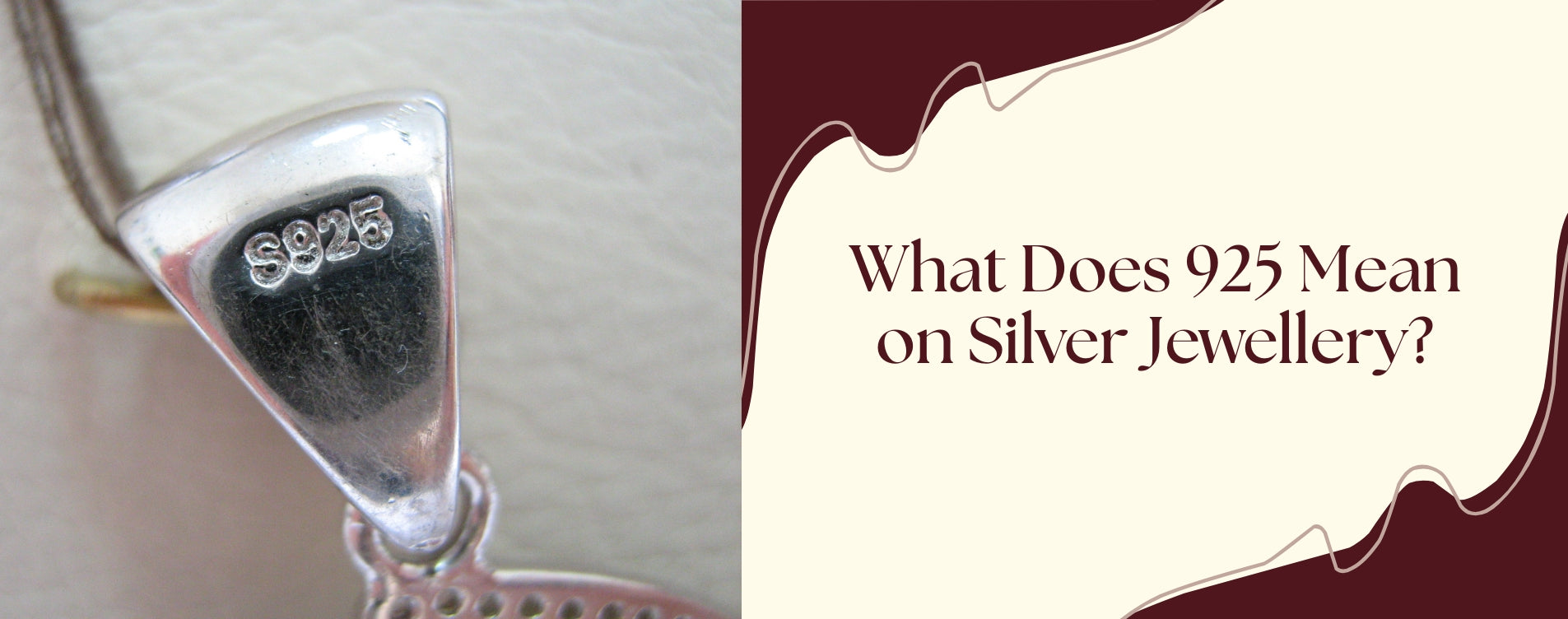
Sterling silver is marked 925
2. Magnet Test
Real silver is not magnetic.
3. Tarnish Behaviour
Sterling silver may darken over time but can be polished back to shine.
4. Professional Testing
A jeweller can confirm purity using advanced methods like XRF testing.
Does One Look Better Than the Other?
Both look beautiful but differently:
Fine silver has a softer, milky-white shine.
Sterling silver has a bright, reflective, mirror-like shine.
Jewellery lovers usually prefer the shine of sterling silver, while collectors prefer the natural purity of 999 silver.
How to Take Care of Silver Jewellery
To keep your silver in top condition:
For Fine Silver (999)
- Store in soft cloth pouches
- Avoid sharp objects that can scratch
- Keep away from chemicals and perfumes
For Sterling Silver (925)
- Clean with a silver polishing cloth
- Store in airtight bags to prevent tarnish
- Keep dry and avoid contact with lotions and sprays
Proper care extends the life and shine of your jewellery.
FAQ: Fine Silver vs Sterling Silver
1. Is fine silver better than sterling silver?
Both are good, but they serve different purposes. Fine silver is best for purity, while sterling silver is best for durability.
2. Is sterling silver real silver?
Yes. Sterling silver contains 92.5% real silver, making it genuine and authentic.
3. Does sterling silver tarnish?
Yes, but only slightly and gradually. It can be cleaned easily with a polishing cloth.
4. Which is more expensive: 999 or 925?
Fine silver (999) is usually more expensive due to higher purity.
5. Is 925 silver safe for sensitive skin?
Yes. It is generally safe, though people with metal allergies should avoid prolonged contact with alloys.
6. Can fine silver be used for daily wear jewellery?
It is not recommended due to its softness. Sterling silver is the better option for everyday use.
7. Which silver is best for gifting?
For jewellery: sterling silver.
For traditional gifts: fine silver.
Final Thoughts
Understanding the difference between fine silver and sterling silver helps you choose wisely. Both have their own strengths:
Fine silver (999) is pure, elegant, and perfect for gifts, spiritual items, and investment pieces.
Sterling silver (925) is strong, stylish, and ideal for daily jewellery.
By knowing what each offers, you can select the right silver for your lifestyle, your needs, and your budget. Whether you prefer purity or practicality, silver remains one of the most timeless and loved metals in the world.